The International Symposium on Brain Function and Cognition (ISBFC) aims to provide an opportunity for discussing the structure and function of the human brain. Its goal is to delve deeper into understanding how these factors interact with cognitive abilities, physiologic deficits and motor skills.

About ISBFC
Keynote Speakers
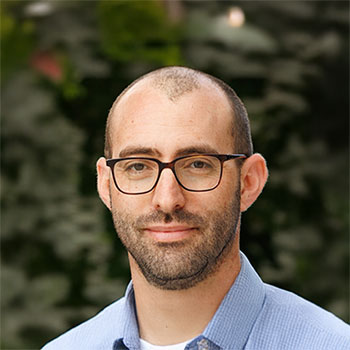
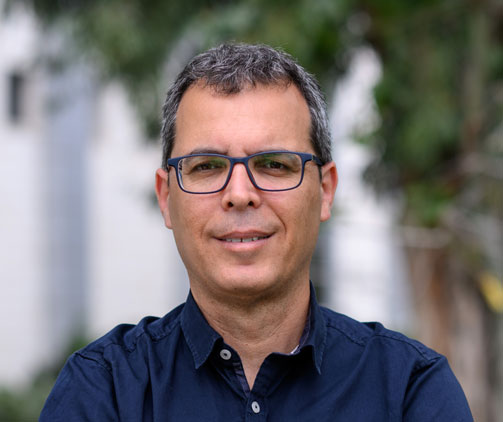
Prof. Erez Simony is an Associate Professor of Brain Sciences in the Faculty of Electrical Engineering at the Holon Institute of Technology (HIT) and a Scientific Advisor at the Weizmann Institute of Science.
His lab investigates the neurocognitive representations of the human brain during rich, naturalistic stimulation—such as movies and stories—using machine learning to analyze fMRI and ECoG recordings. The lab’s research aims to understand how these stimuli are transformed into short- and long-term memories in both healthy and impaired individuals, and how memory traces are represented at the level of local brain regions as well as through large-scale neural communication across brain networks.
Prof. Simony holds a Ph.D. in Neurobiology from the Weizmann Institute of Science, an M.Sc. in Electrical Engineering, and dual B.Sc. degrees in Physics and Electrical Engineering from the Technion. As a postdoctoral researcher at Princeton University, he specialized in large-scale brain network dynamics during naturalistic stimulation, employing neuroimaging and computational approaches.
Associate Professor – Faculty of Electrical Engineering, Holon Institute of Science (HIT), Israel.
Scientific Advisor – Department of Brain Sciences, Weizmann Institute of Science, Israel.
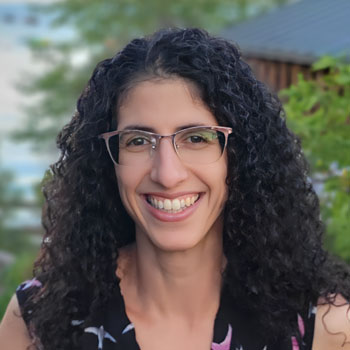
Dr. Inbal Maidan is a distinguished neuroscientist specializing in the investigation of neural mechanisms underlying motor and cognitive functions in neurological disorders, with a primary focus on Parkinson’s disease and epilepsy. Her research aims to identify and quantify alterations in brain mechanisms as biomarkers for disease risk, progression, and treatment effects.
Employing a multi-modal approach, Dr. Maidan combines motor-cognitive assessments with advanced neuroimaging techniques (fMRI, fNIRS) and electrophysiology methods (EEG, TMS). She has extensive experience in measuring brain activation during rest, motor, and cognitive tasks, investigating their correlation to performance under various levels of difficulty, including dual-task conditions.
Dr. Maidan’s expertise extends to advanced EEG analyses, which she utilizes to reveal sensitive biomarkers for disease diagnosis, progression, and intervention efficacy. While her primary focus has been on Parkinson’s disease and aging, she has recently expanded her research to include epilepsy, addressing critical unmet needs in this field.
As Director of the Brain Electrophysiology & Epilepsy Lab at Tel Aviv Sourasky Medical Center, Dr. Maidan has made significant contributions to neurology and neuroscience. Her prolific research career is evidenced by 69 publications in high-impact areas over the past decade, solidifying her position as a leading expert in the field.
Director – Brain Electrophysiology & Epilepsy Lab, Neurology Institute, Tel Aviv Sourasky Medical Center, Israel
Senior Lecturer – Faculty of Medical & Health Sciences, Sagol School of Neuroscience, Tel Aviv University, Israel
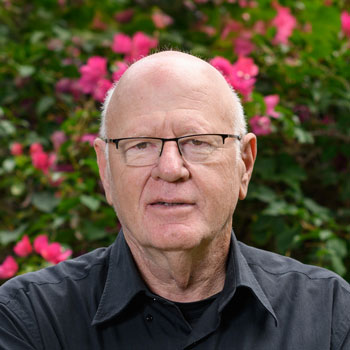
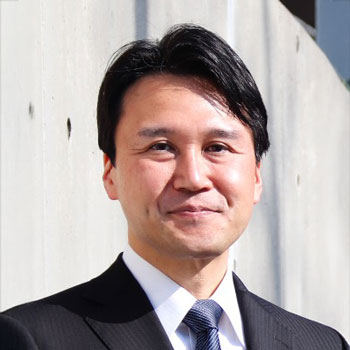
Professor Hiromu Sakai awarded Ph.D. in Social Science from University of California, Irvine. Since then, he worked as a professor in Hiroshima University and Waseda University. His current research focuses on neural representation and processing of language, inference, and thought using neuroimaging technologies such as MEG, ECoG, fMRI and machine learning data processing algorithm.
His representative works are:
Zhao, Z. A., Sakai, H., & Luo, Y. (2025). “Simpler is better”: Japanese children’s learning of case-markers in transitive sentences. Language Learning and Development, 1–23.
doi.org/10.1080/15475441.2025.2462017
Nakamura, M., Momma, S., Sakai, H., & Phillips, C. (2024). Task and Timing Effects in Argument Role Sensitivity: Evidence From Production, EEG, and Computational Modeling, Cognitive Science 12, e70023.
doi.org/10.1111/cogs.70023
Tanaka, K., Tsukahara, A., Miyanaga, H., Tsunematsu, S., Kato, T., Matsubara, Y., & Sakai, H. (2024). Superconducting Self-Shielded and Zero-Boil-Off Magnetoencephalogram Systems: A Dry Phantom Evaluation, Sensors 24(18), 6044.
doi.org/10.3390/s24186044
Lai, Y.-Y., Sakai, H., & Makuuchi, M. (2023). Neural underpinnings of processing combinatorial unstated meaning and the influence of individual cognitive style, Cerebral Cortex 33(18), 10013-10027.
doi.org/10.1093/cercor/bhad261
Ito, A., & Sakai, H. (2021). Everyday language exposure shapes prediction of specific words in listening comprehension: A visual world eye-tracking study, Frontiers in Psychology 12, 607474.
doi.org/10.3389/fpsyg.2021.607474
Professor – Department of Life Science and Medical Bioscience, Graduate School of Advanced Science and Engineering, Waseda University, Tokyo, Japan
Director – Center for English Language Education for Science and Engineering (CELESE), Faculty of Science and Engineering, Waseda University, Tokyo, Japan
Researcher (Joint Appointment) – Waseda Institute for Science and Engineering, Waseda University, Tokyo, Japan
Dr. Abigail Livny-Ezer, Director of the C.BIRD Center- Clinical Brain Imaging R&D Center, and an assistant professor at the Imaging Department and Sagol Neuroscience School, Tel Aviv University.
Dr. Abigail Livny-Ezer is a neuroscientist, expert in neuroimaging. Following her Master’s degree in clinical neuropsychology studies at the Hebrew University, Dr. Livny-Ezer specialized during her PhD studies in MRI brain imaging at the School of Medicine, Tel Aviv University. She is a member of the first cohort of esteemed TELEM program for “Excellency & Leadership in research” at the Sheba Medical Center.
Dr. Livny-Ezer leads multidisciplinary research that focuses on brain reorganization in various neuro-pathologies, aiming to uncover mechanisms underlying neuroplasticity and disease progression. Specifically, she focuses on how network disruptions both in structural and functional connectivity affect clinical and cognitive outcome. In addition, her neuroimaging center provides clinical services of brain-mapping for precision in several neurosurgical procedures. Recently, she founded 2 startup companies, both integrating advanced neuroimaging and AI: CoPilotMD, serves as a second set of eyes for the neuro-endovascular surgeon in real-time; and Inkognito, empowers diagnostics and treatment precision by fingerprinting brain disorders.
Director – C.BIRD-Clinical Brain Imaging R&D Center, Sheba Medical Center, Ramat Gan, Israel
Researcher – Faculty of Medical & Health Sciences, Tel Aviv University, Tel Aviv, Israel
Researcher – Sagol School of Neuroscience, Tel Aviv University, Tel Aviv, Israel
Co-Founder & CSO – CoPilotMD, Tel Aviv, Israel
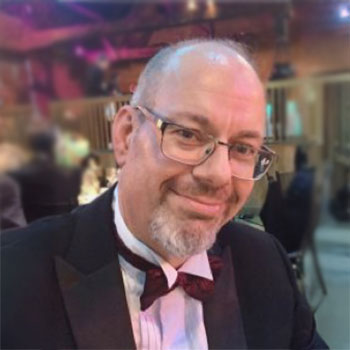
Professor Abraham (Avi) Goldstein is a cognitive neuroscientist at Bar-Ilan University, Israel, where he serves as a Full Professor in the Department of Psychology. He also leads the MEG Lab at the Leslie and Susan Gonda Multidisciplinary Brain Research Center, overseeing the country’s sole magnetoencephalography (MEG) facility.
Prof. Goldstein completed his Ph.D. in Experimental Psychology at Bar-Ilan University and honed his expertise in cognitive electrophysiology and event-related brain potentials during a post-doctoral fellowship at the Beckman Institute and the University of Illinois, Urbana-Champaign.
His main research interest is in using non-invasive electromagnetic measures (EEG/MEG) recordings of brain activity in order to understand how people perform cognitive operations such as reading and comprehending, perceiving, representing and remembering external events. Among his research topics are functional hemispheric dynamics in language comprehension and thinking, and brain responses to emotionally or motivationally charged stimuli. He has also conducted studies with clinical populations such as schizophrenia, autism and PTSD.
His latest research focuses on social aspects of cognitive neural processing, such as the MEG correlates of pain empathy and intergroup biases. Recent studies in his lab have investigated the role of communicators/speakers as alignment agents and the factors that affect audience synchronization.
Professor – Department of Psychology, Bar-Ilan University, Ramat Gan, Israel
Professor – Gonda Brain Research Center, Bar-Ilan University, Ramat Gan, Israel
Dr. Balberg’s research focuses on using near infrared light (NIRS) to study the brain. She is investigating the use of NIRS to identify epileptic activity in patients with epilepsy, connectivity patterns in patients suffering from depression and hemodynamic activity is subjects with cochlear implants. Dr. Balberg is also developing new technologies for monitoring blood flow to the brain and imaging the brain using acousto-optics. Dr. Balberg received a Ph.D. in Neural Computation from the Hebrew University of Jerusalem, and was a postdoctoral Beckman Fellow at the University of Illinois, at Urbana- Champaign. She joined HIT in 2015, after founding a medical device start-up that developed a non-invasive brain monitor (Ornim Medical Ltd.). She is the inventor of more than 20 WW patents, and authored numerous publications in biomedical optics in leading journals and books. Dr. Balberg works in collaboration with researchers at Tufts University and NYU in the US, The Hebrew University and Hadassah Medical Center, Tel Aviv University and Souraski Medical Center, Sheba Medical Center and Waseda University in Japan.
Senior Lecturer – Faculty of Electrical and Electronics Engineering, Holon Institute of Technology, Holon, Israel
Prof. Anat Mirelman, PhD is a full professor at the Faculty of Medicine and Health Sciences and Sagol School of Neuroscience at Tel Aviv University and is the director of the Laboratory for Early Markers of neurodegeneration (LEMON) at the Tel Aviv Medical Center (TLVMC). In her research she is privileged to address question on motor and cognitive function in ageing and disease and mechanisms of neurodegeneration. In the past 15 years, Prof. Mirelman has lead the ‘Genetics in Parkinson’s disease Project’ at TLVMC which aims to identify early markers that could indicate disease processes in patients with Parkinson’s disease (PD) and individuals at risk due to genetic mutations associated with PD. Prof. Mirelman’s specific interest is in quantitative, objective measures obtained from wearable sensors and digital technology, and their utility in identifying markers of disease and disease progression. To date, the cohort includes more than 3000 participants and is considered one of the largest genetic PD cohorts in the world. Prof Mirelman and her team have published over 150 papers on markers of neurodegeneration and disease progression. LEMON is home to software engineers, neurologists, computational analyst research assistants and several MSc and PhD students.
Director – Laboratory for Early Markers of Neurodegeneration (LEMON), Neurological Institute, Tel Aviv Sourasky Medical Center, Tel Aviv, Israel
Professor – Sagol School for Neuroscience and Faculty of Medicine and Health Sciences, Tel Aviv University, Tel Aviv, Israel
Alex Huth is an Assistant Professor at the University of California, Berkeley in the departments of neuroscience and statistics.
His lab uses natural language stimuli and fMRI to study language processing in human cortex in work funded by the Burroughs Wellcome Foundation, Sloan Foundation, Whitehall Foundation, NIH, and others.
Before joining the Berkeley faculty, Alex did his PhD and postdoc in Jack Gallant’s laboratory, where he developed novel methods for mapping semantic representations of visual and linguistic stimuli in human cortex, and then a professor at UT Austin, where his lab developed new methods for machine learning in neuroscience.
Tang, Jerry and LeBel, Amanda and Jain, Shailee and Huth, Alexander G (2023). Semantic reconstruction of continuous language from non-invasive brain recordings. Nature Neuroscience.
doi: 10.1038/s41593-023-01304-9
Jain, Shailee and Vo, Vy A. and Wehbe, Leila and Huth, Alexander G. (2023). Computational Language Modeling and the Promise of in Silico Experimentation. Neurobiology of Language.
doi: 10.1162/nol_a_00101
Antonello, Richard and Huth, Alexander (2023). Predictive Coding or Just Feature Discovery? An Alternative Account of Why Language Models Fit Brain Data. Neurobiology of Language.
doi: 10.1162/nol_a_00087
Huth, Alexander G and de Heer, Wendy A and Griffiths, Thomas L and Theunissen, Frederic E and Gallant, Jack L (2016). Natural speech reveals the semantic maps that tile human cerebral cortex. Nature.
doi: 10.1038/nature17637
Assistant Professor – Department of Neuroscience, University of California, Berkeley
Assistant Professor – Department of Statistics, University of California, Berkeley
Dr. Liberty Hamilton’s research is focused on how the brain transforms sounds into meaningful speech using a combination of intracranial recordings, computational modeling, and behavior. She completed her Ph.D. in neuroscience at the University of California, Berkeley and her postdoctoral fellowship at the University of California, San Francisco Center for Integrative Neuroscience and Department of Neurosurgery. To investigate how speech develops in the brain at high spatiotemporal resolution, she collaborates with neurosurgeons and epileptologists at Dell Children’s Medical Center in Austin, TX, and Texas Children’s Hospital in Houston, TX. Her lab also uses noninvasive EEG in healthy populations to understand complex sound processing during naturalistic speech perception and production. Dr. Hamilton is a tenured Associate Professor at the University of Texas at Austin, and holds joint appointments in the Department of Speech, Language, and Hearing Sciences and the Department of Neurology at Dell Medical School. She also holds an Adjunct Assistant Professor appointment in the Department of Neurosurgery at Baylor College of Medicine in Houston, TX. Her work is funded by the National Institutes of Health, the Department of Defense Congressionally Directed Medical Research Programs, and the Coleman Fung Foundation.
Associate Professor – Department of Speech, Language, and Hearing Sciences, The University of Texas at Austin, Texas, United States
Associate Professor – Department of Neurology, The University of Texas at Austin, Texas, United States
Rieko Osu received her Ph.D. in Psychology from Kyoto University in 1996. She subsequently worked as a researcher at ERATO, JST. In 2001, she joined ATR Computational Neuroscience Laboratories, initially as a researcher and later as Head of the Department of Motor Control and Rehabilitation.
In 2015, she became Director of Consumer Neuroscience at The Nielsen Company Japan. Since 2017, she has been a professor in the Faculty of Human Sciences at Waseda University.
Her research interests include motor control and learning, neuro-rehabilitation, neuroimaging, and cognitive neuroscience, with a recent focus on neurodevelopmental disorders.
Professor – Waseda University, Tokyo, Japan
Shinji Nishimoto’s research focuses on quantitative understanding of visual and cognitive processing in the brain. He addresses this via modeling and decoding of brain activity evoked under naturalistic conditions.
In our daily life we receive a massive stream of complex and dynamic visual inputs. Our brain processes those inputs to understand the world. This is not a trivial process: the human brain contains several dozens of hierarchically organized cortical areas that process the visual inputs, and those areas cover around one fourth of our entire cortex. Studying how the visual system works gives us a unique opportunity to reveal how the brain analyzes these complex inputs through its functional hierarchy.
Professor Nishimoto approach this issue via building computational models that can predict brain activity evoked under arbitrary naturalistic conditions. By building such models, we aim to understand the underlying internal representation, cortical mapping, and ultimately the general rules in cortical processing. Currently we use fMRI as our main tool to record human brain activity, but we are also working with data from single-unit recordings. A quantitative understanding of the brain is crucial in quantitative assessment on how the brain may differ across subjects, different experiences, cognitive conditions, or pathological status. We are to provide a basis for such quantitative assessment for potential future diagnosis. Such models can also be a basis for brain machine interfaces or neuroprosthetics.
Professor – Graduate School of Frontier Biosciences, Osaka University
Research Manager – Center for Information and Neural Networks (CiNet), National Institute of Information and Communications Technology
Program
B1F WIFI:
SSID: waseda-event003
Password: u4JC9fvt
Professor Hiromu Sakai awarded Ph.D. in Social Science from University of California, Irvine. Since then, he worked as a professor in Hiroshima University and Waseda University. His current research focuses on neural representation and processing of language, inference, and thought using neuroimaging technologies such as MEG, ECoG, fMRI and machine learning data processing algorithm.
Professor –Department of Life Science and Medical Bioscience, Graduate School of Advanced Science and Engineering, Waseda University, Tokyo, Japan
Director –Center for English Language Education for Science and Engineering (CELESE), Faculty of Science and Engineering, Waseda University, Tokyo, Japan
Researcher (Joint Appointment) –Waseda Institute for Science and Engineering, Waseda University, Tokyo, Japan
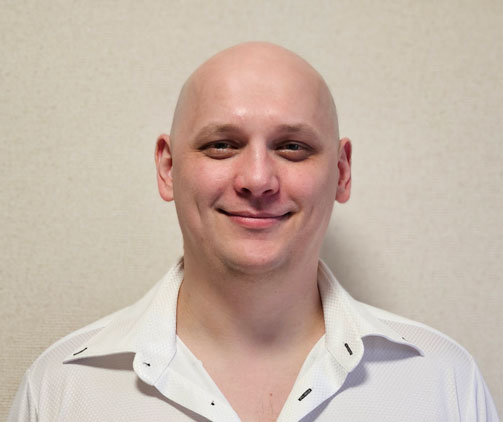
Dr. Barkan holds M.D., Ph.D. in Brain Science, B.Sc. and M.Sc. in Computer Science. Founded the first academic faculty in Digital Medical Technologies in Israel.
Co-founded FUTURE@HIT – Center for Innovation and Entrepreneurship, one of the 10 national centers of its kind, supported by the Israeli government.
Graduate of the “Leadership in Academia” program – senior leadership development network in higher education and the “8400 HealthTech Leadership” program.
V.P. for Innovation, Entrepreneurship, and Internationalization / Transforming Healthcare Technology / Entrepreneur / Leading Innovation in Higher Education – Holon Institute of Technology (HIT), Holon, Israel
Language processing involves a brain-wide network of cortical areas that do everything from recognize words to assembling complex thoughts. To study these processes, we perform a natural language fMRI experiment in which participants listen to up to 20 hours of natural, narrative language stimuli while their brain responses are recorded continuously. These large stimulus-response datasets are then used to build encoding models based on features drawn from neural network language models or self-supervised speech models. We use these models to understand how information is mapped across the human cerebral cortex by examining the features represented in each area. We can also use these models to decode perceived or imagined language from the brain responses, providing a basis for a new type of brain-computer interface.
Alex Huth is an Assistant Professor at the University of California, Berkeley in the departments of neuroscience and statistics.
His lab uses natural language stimuli and fMRI to study language processing in human cortex in work funded by the Burroughs Wellcome Foundation, Sloan Foundation, Whitehall Foundation, NIH, and others.
Before joining the Berkeley faculty, Alex did his PhD and postdoc in Jack Gallant’s laboratory, where he developed novel methods for mapping semantic representations of visual and linguistic stimuli in human cortex, and then a professor at UT Austin, where his lab developed new methods for machine learning in neuroscience.
Tang, Jerry and LeBel, Amanda and Jain, Shailee and Huth, Alexander G (2023). Semantic reconstruction of continuous language from non-invasive brain recordings. Nature Neuroscience.
doi: 10.1038/s41593-023-01304-9
Jain, Shailee and Vo, Vy A. and Wehbe, Leila and Huth, Alexander G. (2023). Computational Language Modeling and the Promise of in Silico Experimentation. Neurobiology of Language.
doi: 10.1162/nol_a_00101
Antonello, Richard and Huth, Alexander (2023). Predictive Coding or Just Feature Discovery? An Alternative Account of Why Language Models Fit Brain Data. Neurobiology of Language.
doi: 10.1162/nol_a_00087
Huth, Alexander G and de Heer, Wendy A and Griffiths, Thomas L and Theunissen, Frederic E and Gallant, Jack L (2016). Natural speech reveals the semantic maps that tile human cerebral cortex. Nature.
doi: 10.1038/nature17637
Assistant Professor – Department of Neuroscience, University of California, Berkeley
Assistant Professor – Department of Statistics, University of California, Berkeley
Gait is a complex task requiring balance, sensation and muscle strength but also cognition. Studies have shown that the motor and cognitive systems work synchronously and synergistically to allow movement. This lecture will focus on the interplay between these systems through performance paradigms, neural mechanisms and clinical implications in aging and neurodegeneration.
Prof. Anat Mirelman, PhD is a full professor at the Faculty of Medicine and Health Sciences and Sagol School of Neuroscience at Tel Aviv University and is the director of the Laboratory for Early Markers of neurodegeneration (LEMON) at the Tel Aviv Medical Center (TLVMC). In her research she is privileged to address question on motor and cognitive function in ageing and disease and mechanisms of neurodegeneration. In the past 15 years, Prof. Mirelman has lead the ‘Genetics in Parkinson’s disease Project’ at TLVMC which aims to identify early markers that could indicate disease processes in patients with Parkinson’s disease (PD) and individuals at risk due to genetic mutations associated with PD. Prof. Mirelman’s specific interest is in quantitative, objective measures obtained from wearable sensors and digital technology, and their utility in identifying markers of disease and disease progression. To date, the cohort includes more than 3000 participants and is considered one of the largest genetic PD cohorts in the world. Prof Mirelman and her team have published over 150 papers on markers of neurodegeneration and disease progression. LEMON is home to software engineers, neurologists, computational analyst research assistants and several MSc and PhD students.
Director – Laboratory for Early Markers of Neurodegeneration (LEMON), Neurological Institute, Tel Aviv Sourasky Medical Center, Tel Aviv, Israel
Professor – Sagol School for Neuroscience and Faculty of Medicine and Health Sciences, Tel Aviv University, Tel Aviv, Israel
This study investigates how compositional structure in artistic images modulates vision behavior. Using VR-integrated eye tracking, we quantified fixation latency, saccadic efficiency, and gaze-salience alignment. Structured images elicited faster fixations and more direct saccades, suggesting that compositional cues guide visual attention beyond low-level salience mechanisms.
TBA
This study investigates the generalizability of neural codes for semantic categories across different sensory modalities and individuals. Using MEG, we employ picture naming and word reading paradigm for In-Subject cross-modality and cross-subject cross-modality analysis. Successful cross-subject decoding provides strong evidence for subject-independent neural representation.
The purpose of this study is to examine how L2 learners of English comprehend phrasal verbs (specifically Japanese learners in this study). Phrasal verbs are often considered difficult for Japanese ESL learners due to their complex characteristics. For example, they allow syntactic alternation (put on the jacket vs. put the jacket on), vary in semantic transparency, and have no direct equivalents in Japanese grammatical categories. In addition, particles in phrasal verbs (e.g., in, on, away, up) are identical to other lexical categories, such as prepositions and adverbs. This overlap can lead to sentences that appear to contain two prepositions (e.g., switch the light on in the morning), potentially causing misinterpretation. We hypothesized that Japanese ESL learners may mistakenly interpret particles as prepositions. To test this, we conducted an online self-paced reading task, measuring both acceptability judgments and reading times. The experiment was based on a 2×2 factorial design, manipulating (1) the word order (switch the light on vs. switch on the light) and (2) the syntactic category of the following adverbial (on Monday vs. last Monday). The results of the acceptability judgment tasks clearly showed an interaction between the two factors such that when a particle was followed by a prepositional phrase, readers were more likely to misinterpret the sentences as ungrammatical. The reading time data, on the other hand, did not reflect this effect.
Research questions into the semantic representations of linguistic meaning in the human brain are classified into two types. The first type addresses the issues related to the identification of brain regions used for semantic information processing, and the second type tries to decipher neural codes of linguistic meaning. In this talk, we focus on the latter types of questions and demonstrate that multivariate pattern analysis of MEG data provides unique answers for such questions. We first examine when perception of stimuli with different types of modalities leads to shared semantic representations of modality-independent concepts, and then reveal how presentation contexts modulate the semantic representations of objects in the high-dimensional feature space.
Professor Hiromu Sakai awarded Ph.D. in Social Science from University of California, Irvine. Since then, he worked as a professor in Hiroshima University and Waseda University. His current research focuses on neural representation and processing of language, inference, and thought using neuroimaging technologies such as MEG, ECoG, fMRI and machine learning data processing algorithm.
His representative works are:
Zhao, Z. A., Sakai, H., & Luo, Y. (2025). “Simpler is better”: Japanese children’s learning of case-markers in transitive sentences. Language Learning and Development, 1–23.
doi.org/10.1080/15475441.2025.2462017
Nakamura, M., Momma, S., Sakai, H., & Phillips, C. (2024). Task and Timing Effects in Argument Role Sensitivity: Evidence From Production, EEG, and Computational Modeling, Cognitive Science 12, e70023.
doi.org/10.1111/cogs.70023
Tanaka, K., Tsukahara, A., Miyanaga, H., Tsunematsu, S., Kato, T., Matsubara, Y., & Sakai, H. (2024). Superconducting Self-Shielded and Zero-Boil-Off Magnetoencephalogram Systems: A Dry Phantom Evaluation, Sensors 24(18), 6044.
doi.org/10.3390/s24186044
Lai, Y.-Y., Sakai, H., & Makuuchi, M. (2023). Neural underpinnings of processing combinatorial unstated meaning and the influence of individual cognitive style, Cerebral Cortex 33(18), 10013-10027.
doi.org/10.1093/cercor/bhad261
Ito, A., & Sakai, H. (2021). Everyday language exposure shapes prediction of specific words in listening comprehension: A visual world eye-tracking study, Frontiers in Psychology 12, 607474.
doi.org/10.3389/fpsyg.2021.607474
Professor – Department of Life Science and Medical Bioscience, Graduate School of Advanced Science and Engineering, Waseda University, Tokyo, Japan
Director – Center for English Language Education for Science and Engineering (CELESE), Faculty of Science and Engineering, Waseda University, Tokyo, Japan
Researcher (Joint Appointment) – Waseda Institute for Science and Engineering, Waseda University, Tokyo, Japan
This MEG study examined the neural processing of Japanese empty nouns. A spatio-temporal cluster-based permutation t-test revealed significant activation from 720–762 ms in RSTS, RMTG, RITG/S, and RIL, indicating that the brain distinguishes between different types of unspoken words during real-time sentence comprehension.
Martinezほか (2022) は、英語の法律文書を難しくしているのは専門的概念ではなく文書の書き方であると主張している.日本語の法律文書に対しては,難しくする要因を推定して取り除き,読みにくさの改善を目指す研究は見られるが,どの要因が難しさの原因となるかを定量的に分析した研究は見当たらない.本研究の目的は,コーパス調査から特徴量を抽出する手法を用いて,日本語の法律文書を難しくしている要因を実証的に明らかにすることである.本研究では,日本語書き言葉均衡コーパス(BCCWJ)の法律文書サブコーパスとその他のサブコーパスを分析して比較し,先行研究において読解を難しくしている要因として指摘されているもののなかから有意な差がみられる特徴量を特定した.
Movies and stories inspire innovation in basic neuroscience and clinical applications. This ecological approach has influenced memory research, timescales representations, and the function of large-scale networks. Here we present a neuro-ecological approach combined with machine learning to uncover neural representations of surprise and adaptation in the human brain.
Prof. Erez Simony is an Associate Professor of Brain Sciences in the Faculty of Electrical Engineering at the Holon Institute of Technology (HIT) and a Scientific Advisor at the Weizmann Institute of Science.
His lab investigates the neurocognitive representations of the human brain during rich, naturalistic stimulation—such as movies and stories—using machine learning to analyze fMRI and ECoG recordings. The lab’s research aims to understand how these stimuli are transformed into short- and long-term memories in both healthy and impaired individuals, and how memory traces are represented at the level of local brain regions as well as through large-scale neural communication across brain networks.
Prof. Simony holds a Ph.D. in Neurobiology from the Weizmann Institute of Science, an M.Sc. in Electrical Engineering, and dual B.Sc. degrees in Physics and Electrical Engineering from the Technion. As a postdoctoral researcher at Princeton University, he specialized in large-scale brain network dynamics during naturalistic stimulation, employing neuroimaging and computational approaches.
Associate Professor – Faculty of Electrical Engineering, Holon Institute of Science (HIT), Israel.
Scientific Advisor – Department of Brain Sciences, Weizmann Institute of Science, Israel.
Is communicating with AI the same as communicating with humans? To find out, magnetoencephalograms were recorded during communication with a human or AI. The difference was shown in the precuneus; beta-band amplitudes were suppressed only when participants were instructed that the partner were human, but the real identities were AI.
One way to examine the influence of prediction error on structural priming is to manipulate the history of filler structures before the prime. To examine if error depends on structural similarity, we compared filler structures that structurally resembled a passive prime, but which had an active dative verb (GA-NI-ACTIVEVERB) with structures that should not influence passives (GA-O-ACTIVEVERB). In an on-line priming study, we found passive priming, but no interaction with filler type. The structural similarity between active fillers and passive primes might not be strong enough, so a second study compared dative-verb fillers with passive structures (GA-NI-PASSIVEVERB) with active structure (GA-O-ACTIVEVERB). The results again showed an effect of passive priming but no interaction with filler type. In both studies, participants experienced a block of one type of fillers followed by the other type of fillers to reduce the possibility that participant differences were driving the filler differences. But exploratory examination of the first half in both studies found the predicted reduction of passive priming after structurally-similar fillers. This suggests that prediction error is sensitive to previous filler structures, but the results in the second half are changed substantially by experience of the fillers in the first half.
Complementary structural and functional neuroimaging provides insights into brain disorder mechanisms, prognosis, and treatment personalization, with mild TBI as a prime example. This researc details structural and functional alterations. An integrative framework captured abnormal network dynamics undetectable through single modalities, advancing AI-driven precision medicine.
Dr. Abigail Livny-Ezer, Director of the C.BIRD Center- Clinical Brain Imaging R&D Center, and an assistant professor at the Imaging Department and Sagol Neuroscience School, Tel Aviv University.
Dr. Abigail Livny-Ezer is a neuroscientist, expert in neuroimaging. Following her Master’s degree in clinical neuropsychology studies at the Hebrew University, Dr. Livny-Ezer specialized during her PhD studies in MRI brain imaging at the School of Medicine, Tel Aviv University. She is a member of the first cohort of esteemed TELEM program for “Excellency & Leadership in research” at the Sheba Medical Center.
Dr. Livny-Ezer leads multidisciplinary research that focuses on brain reorganization in various neuro-pathologies, aiming to uncover mechanisms underlying neuroplasticity and disease progression. Specifically, she focuses on how network disruptions both in structural and functional connectivity affect clinical and cognitive outcome. In addition, her neuroimaging center provides clinical services of brain-mapping for precision in several neurosurgical procedures. Recently, she founded 2 startup companies, both integrating advanced neuroimaging and AI: CoPilotMD, serves as a second set of eyes for the neuro-endovascular surgeon in real-time; and Inkognito, empowers diagnostics and treatment precision by fingerprinting brain disorders.
Director – C.BIRD-Clinical Brain Imaging R&D Center, Sheba Medical Center, Ramat Gan, Israel
Researcher – Faculty of Medical & Health Sciences, Tel Aviv University, Tel Aviv, Israel
Researcher – Sagol School of Neuroscience, Tel Aviv University, Tel Aviv, Israel
Co-Founder & CSO – CoPilotMD, Tel Aviv, Israel
Professor Hiromu Sakai awarded Ph.D. in Social Science from University of California, Irvine. Since then, he worked as a professor in Hiroshima University and Waseda University. His current research focuses on neural representation and processing of language, inference, and thought using neuroimaging technologies such as MEG, ECoG, fMRI and machine learning data processing algorithm.
Professor –Department of Life Science and Medical Bioscience, Graduate School of Advanced Science and Engineering, Waseda University, Tokyo, Japan
Director –Center for English Language Education for Science and Engineering (CELESE), Faculty of Science and Engineering, Waseda University, Tokyo, Japan
Researcher (Joint Appointment) –Waseda Institute for Science and Engineering, Waseda University, Tokyo, Japan
Dr. Barkan holds M.D., Ph.D. in Brain Science, B.Sc. and M.Sc. in Computer Science. Founded the first academic faculty in Digital Medical Technologies in Israel.
Co-founded FUTURE@HIT – Center for Innovation and Entrepreneurship, one of the 10 national centers of its kind, supported by the Israeli government.
Graduate of the “Leadership in Academia” program – senior leadership development network in higher education and the “8400 HealthTech Leadership” program.
V.P. for Innovation, Entrepreneurship, and Internationalization / Transforming Healthcare Technology / Entrepreneur / Leading Innovation in Higher Education – Holon Institute of Technology (HIT), Holon, Israel
We used intracranial recordings in patients aged 4 to 21 to understand neural development of speech. We fit encoding models to predict brain responses from spectrograms or phonological features and found that invariant responses to phonemes emerge during adolescence. These results have implications for understanding typical and atypical language development.
Dr. Liberty Hamilton’s research is focused on how the brain transforms sounds into meaningful speech using a combination of intracranial recordings, computational modeling, and behavior. She completed her Ph.D. in neuroscience at the University of California, Berkeley and her postdoctoral fellowship at the University of California, San Francisco Center for Integrative Neuroscience and Department of Neurosurgery. To investigate how speech develops in the brain at high spatiotemporal resolution, she collaborates with neurosurgeons and epileptologists at Dell Children’s Medical Center in Austin, TX, and Texas Children’s Hospital in Houston, TX. Her lab also uses noninvasive EEG in healthy populations to understand complex sound processing during naturalistic speech perception and production. Dr. Hamilton is a tenured Associate Professor at the University of Texas at Austin, and holds joint appointments in the Department of Speech, Language, and Hearing Sciences and the Department of Neurology at Dell Medical School. She also holds an Adjunct Assistant Professor appointment in the Department of Neurosurgery at Baylor College of Medicine in Houston, TX. Her work is funded by the National Institutes of Health, the Department of Defense Congressionally Directed Medical Research Programs, and the Coleman Fung Foundation.
Associate Professor – Department of Speech, Language, and Hearing Sciences, The University of Texas at Austin, Texas, United States
Associate Professor – Department of Neurology, The University of Texas at Austin, Texas, United States
Electrophysiological analysis reveals that dual-task walking impairs response inhibition and alters brain network dynamics in Parkinson’s disease and aging. These neural biomarkers highlight disrupted connectivity and compensatory mechanisms, supporting the development of adaptive, closed-loop DBS therapies for improved motor-cognitive outcomes.
Dr. Inbal Maidan is a distinguished neuroscientist specializing in the investigation of neural mechanisms underlying motor and cognitive functions in neurological disorders, with a primary focus on Parkinson’s disease and epilepsy. Her research aims to identify and quantify alterations in brain mechanisms as biomarkers for disease risk, progression, and treatment effects.
Employing a multi-modal approach, Dr. Maidan combines motor-cognitive assessments with advanced neuroimaging techniques (fMRI, fNIRS) and electrophysiology methods (EEG, TMS). She has extensive experience in measuring brain activation during rest, motor, and cognitive tasks, investigating their correlation to performance under various levels of difficulty, including dual-task conditions.
Dr. Maidan’s expertise extends to advanced EEG analyses, which she utilizes to reveal sensitive biomarkers for disease diagnosis, progression, and intervention efficacy. While her primary focus has been on Parkinson’s disease and aging, she has recently expanded her research to include epilepsy, addressing critical unmet needs in this field.
As Director of the Brain Electrophysiology & Epilepsy Lab at Tel Aviv Sourasky Medical Center, Dr. Maidan has made significant contributions to neurology and neuroscience. Her prolific research career is evidenced by 69 publications in high-impact areas over the past decade, solidifying her position as a leading expert in the field.
Director – Brain Electrophysiology & Epilepsy Lab, Neurology Institute, Tel Aviv Sourasky Medical Center, Israel
Senior Lecturer – Faculty of Medical & Health Sciences, Sagol School of Neuroscience, Tel Aviv University, Israel
By using MEG, we found neural activity reflecting the construction of a hierarchical structure in yojikango with binary-branching structures. These findings support prior findings regarding the neural basis of hierarchical morphological processing and indicate that the common neural mechanisms generate hierarchical structures of sentences, phrases, and complex words.
Electroencephalogram (EEG)-based functional connectivity is valuable for cognitive recognition, but often distorted by volume conduction effects (VCE). We propose an elimination framework by modeling VCE as a diffusion process and applying inverse filtering to suppress spurious connections. The improved classification performance demonstrates its effectiveness in enhancing functional connectivity representations.
This study demonstrates that very low-frequency hemodynamic fluctuations, detectable by fNIRS and processed by CWT, appear around seizure onset, identified by EEG. These changes originate from cerebral tissue and may improve seizure detection and localization of the seizure onset zone in patients with drug-resistant epilepsy.
Dr. Balberg’s research focuses on using near infrared light (NIRS) to study the brain. She is investigating the use of NIRS to identify epileptic activity in patients with epilepsy, connectivity patterns in patients suffering from depression and hemodynamic activity is subjects with cochlear implants. Dr. Balberg is also developing new technologies for monitoring blood flow to the brain and imaging the brain using acousto-optics. Dr. Balberg received a Ph.D. in Neural Computation from the Hebrew University of Jerusalem, and was a postdoctoral Beckman Fellow at the University of Illinois, at Urbana- Champaign. She joined HIT in 2015, after founding a medical device start-up that developed a non-invasive brain monitor (Ornim Medical Ltd.). She is the inventor of more than 20 WW patents, and authored numerous publications in biomedical optics in leading journals and books. Dr. Balberg works in collaboration with researchers at Tufts University and NYU in the US, The Hebrew University and Hadassah Medical Center, Tel Aviv University and Souraski Medical Center, Sheba Medical Center and Waseda University in Japan.
Senior Lecturer – Faculty of Electrical and Electronics Engineering, Holon Institute of Technology, Holon, Israel
Hand choice is an unconscious decision we frequently make in daily life. However, when one arm becomes paralyzed, patients tend to rely solely on their non-paretic hand, limiting the use of the affected limb. Our research investigates whether we can modify the probability of hand choice by non-invasive stimulation.
Rieko Osu received her Ph.D. in Psychology from Kyoto University in 1996. She subsequently worked as a researcher at ERATO, JST. In 2001, she joined ATR Computational Neuroscience Laboratories, initially as a researcher and later as Head of the Department of Motor Control and Rehabilitation.
In 2015, she became Director of Consumer Neuroscience at The Nielsen Company Japan. Since 2017, she has been a professor in the Faculty of Human Sciences at Waseda University.
Her research interests include motor control and learning, neuro-rehabilitation, neuroimaging, and cognitive neuroscience, with a recent focus on neurodevelopmental disorders.
Professor – Waseda University, Tokyo, Japan
This study explores i) how auditory and visual WM affects a bilingual’s spontaneous oral and written production and ii) how the WM is revealed using ERP and fNIRS brain activation. Tentative results indicate that the WM capacity in a bilingual’s dominant language appears to play some role in language execution.
This study investigates the feasibility of magnetoencephalography (MEG) hyperscanning with optically pumped magnetometers (OPM) sensors. Results of brain activities during verbal communication showed distinct differences in alpha-band normalized amplitudes between the Natural and Patterned conditions, supporting OPM-MEG’s potential to detect subtle neural activity changes, comparable to traditional MEG.
Charismatic speech delivery enhances inter-brain synchrony in listeners, particularly in beta-band oscillations across right temporal and parietal cortices. Using MEG, we show that charismatic delivery modulates attention, cognitive engagement, and alignment within the social brain. These effects are both spatially widespread and frequency-specific.
Professor Abraham (Avi) Goldstein is a cognitive neuroscientist at Bar-Ilan University, Israel, where he serves as a Full Professor in the Department of Psychology. He also leads the MEG Lab at the Leslie and Susan Gonda Multidisciplinary Brain Research Center, overseeing the country’s sole magnetoencephalography (MEG) facility.
Prof. Goldstein completed his Ph.D. in Experimental Psychology at Bar-Ilan University and honed his expertise in cognitive electrophysiology and event-related brain potentials during a post-doctoral fellowship at the Beckman Institute and the University of Illinois, Urbana-Champaign.
His main research interest is in using non-invasive electromagnetic measures (EEG/MEG) recordings of brain activity in order to understand how people perform cognitive operations such as reading and comprehending, perceiving, representing and remembering external events. Among his research topics are functional hemispheric dynamics in language comprehension and thinking, and brain responses to emotionally or motivationally charged stimuli. He has also conducted studies with clinical populations such as schizophrenia, autism and PTSD.
His latest research focuses on social aspects of cognitive neural processing, such as the MEG correlates of pain empathy and intergroup biases. Recent studies in his lab have investigated the role of communicators/speakers as alignment agents and the factors that affect audience synchronization.
Professor – Department of Psychology, Bar-Ilan University, Ramat Gan, Israel
Professor – Gonda Brain Research Center, Bar-Ilan University, Ramat Gan, Israel
This study explores how native Japanese speakers process various linguistic cues during second language (L2) English sentence comprehension. Behavioral and EEG results revealed significant difficulty in syntactic and phonological judgments, with ERP data suggesting implicit sensitivity despite poor overt performance. These findings illustrate asymmetries in L2 processing across linguistic domains.
This study investigates the predictive processing in language comprehension by leveraging Japanese classifier-noun expressions to examine whether the prediction effect can be dissociated from the semantic integration. The results revealed that the N400 effect was associated with semantic integration, whereas no clear effect was observed with the prediction effect.
Language operates across diverse contexts, supporting situational understanding, long-term story comprehension, and real-time dialogue. Here, by analyzing human brain activity evoked during film viewing and spontaneous conversation, we show that multi-level LLM embeddings reveal distinct semantic networks across contexts as well as distinctive representations for language production and comprehension.
Shinji Nishimoto’s research focuses on quantitative understanding of visual and cognitive processing in the brain. He addresses this via modeling and decoding of brain activity evoked under naturalistic conditions.
In our daily life we receive a massive stream of complex and dynamic visual inputs. Our brain processes those inputs to understand the world. This is not a trivial process: the human brain contains several dozens of hierarchically organized cortical areas that process the visual inputs, and those areas cover around one fourth of our entire cortex. Studying how the visual system works gives us a unique opportunity to reveal how the brain analyzes these complex inputs through its functional hierarchy.
Professor Nishimoto approach this issue via building computational models that can predict brain activity evoked under arbitrary naturalistic conditions. By building such models, we aim to understand the underlying internal representation, cortical mapping, and ultimately the general rules in cortical processing. Currently we use fMRI as our main tool to record human brain activity, but we are also working with data from single-unit recordings. A quantitative understanding of the brain is crucial in quantitative assessment on how the brain may differ across subjects, different experiences, cognitive conditions, or pathological status. We are to provide a basis for such quantitative assessment for potential future diagnosis. Such models can also be a basis for brain machine interfaces or neuroprosthetics.
Professor – Graduate School of Frontier Biosciences, Osaka University
Research Manager – Center for Information and Neural Networks (CiNet), National Institute of Information and Communications Technology
Dr. Barkan holds M.D., Ph.D. in Brain Science, B.Sc. and M.Sc. in Computer Science. Founded the first academic faculty in Digital Medical Technologies in Israel.
Co-founded FUTURE@HIT – Center for Innovation and Entrepreneurship, one of the 10 national centers of its kind, supported by the Israeli government.
Graduate of the “Leadership in Academia” program – senior leadership development network in higher education and the “8400 HealthTech Leadership” program.
V.P. for Innovation, Entrepreneurship, and Internationalization / Transforming Healthcare Technology / Entrepreneur / Leading Innovation in Higher Education – Holon Institute of Technology (HIT), Holon, Israel
Professor Hiromu Sakai awarded Ph.D. in Social Science from University of California, Irvine. Since then, he worked as a professor in Hiroshima University and Waseda University. His current research focuses on neural representation and processing of language, inference, and thought using neuroimaging technologies such as MEG, ECoG, fMRI and machine learning data processing algorithm.
Professor –Department of Life Science and Medical Bioscience, Graduate School of Advanced Science and Engineering, Waseda University, Tokyo, Japan
Director –Center for English Language Education for Science and Engineering (CELESE), Faculty of Science and Engineering, Waseda University, Tokyo, Japan
Researcher (Joint Appointment) –Waseda Institute for Science and Engineering, Waseda University, Tokyo, Japan
Organizing Committee
Professor Hiromu Sakai awarded Ph.D. in Social Science from University of California, Irvine. Since then, he worked as a professor in Hiroshima University and Waseda University. His current research focuses on neural representation and processing of language, inference, and thought using neuroimaging technologies such as MEG, ECoG, fMRI and machine learning data processing algorithm.
Professor –Department of Life Science and Medical Bioscience, Graduate School of Advanced Science and Engineering, Waseda University, Tokyo, Japan
Director –Center for English Language Education for Science and Engineering (CELESE), Faculty of Science and Engineering, Waseda University, Tokyo, Japan
Researcher (Joint Appointment) –Waseda Institute for Science and Engineering, Waseda University, Tokyo, Japan
Dr. Dmitry Patashov holds Ph.D. in Systems and Information Engineering from University of Tsukuba, Japan. He specializes in Information Engineering. His main interests are Methods for Processing and Analysis of Neuroimaging Data.
Assistant Professor / Researcher – Waseda Institute for Science and Engineering, Waseda University, Tokyo, Japan
Visiting Researcher – RIKEN Center for Brain Science, Riken Institute, Saitama Japan
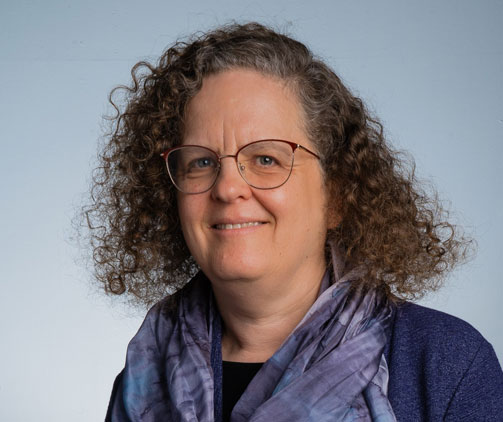
Dr. Balberg’s research focuses on optical, non-invasive and localized functional imaging and monitoring of the brain. She holds a B.Sc. in physics and a Ph.D. in neural computation, both from The Hebrew University of Jerusalem and was a Beckman Fellow at the University of Illinois at Urbana-Champaign.
Senior Lecturer – Faculty of Electrical and Electronics Engineering, Holon Institute of Technology, Holon, Israel
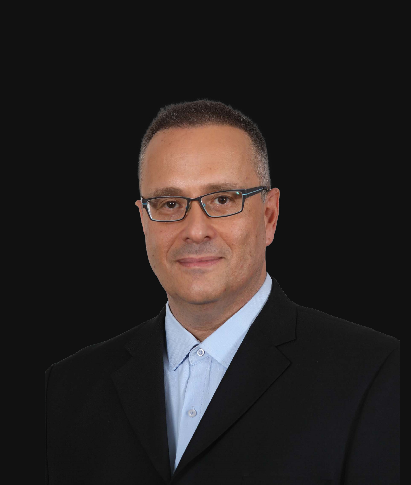
Dr. Barkan holds M.D., Ph.D. in Brain Science, B.Sc. and M.Sc. in Computer Science. Founded the first academic faculty in Digital Medical Technologies in Israel.
Co-founded FUTURE@HIT – Center for Innovation and Entrepreneurship, one of the 10 national centers of its kind, supported by the Israeli government.
Graduate of the “Leadership in Academia” program – senior leadership development network in higher education and the “8400 HealthTech Leadership” program.
V.P. for Innovation, Entrepreneurship, and Internationalization / Transforming Healthcare Technology / Entrepreneur / Leading Innovation in Higher Education – Holon Institute of Technology (HIT), Holon, Israel
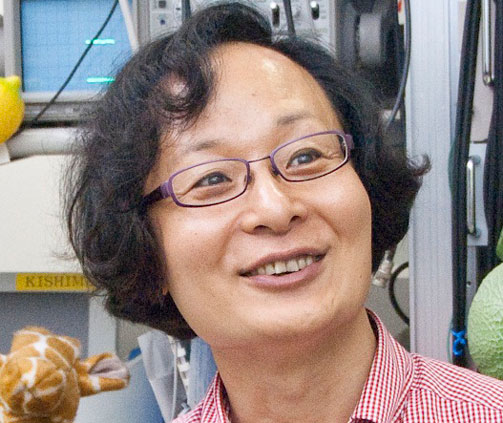
Michal holds a PhD in Computational Neuroscience from The Hebrew University, Jerusalem, Israel. She has worked as a Senior Data Scientist in Tech for several years. She is now a faculty member in HIT and is currently doing research on fatigue prediction using Electrooculogram recordings and other sensors.
Lecturer – Holon Institute of Technology, Holon, Israel
Coordinator of the International Symposium on Brain Function and Cognition (ISBFC).
Research Associate / Lab Assistant – Waseda Institute for Science and Engineering, Waseda University, Tokyo, Japan
Visiting Technician – RIKEN Center for Brain Science, Saitama, Japan
Ms. Ira Ivshin Guetta holds her B.A. degree in social science and M.A. degree in business management.
Responsible of the International Partnerships and Programs at the International Office. Within the responsibilities, she conducts the International Agreements with strategic academic partners, among which Erasmus+. She also represents HIT in international conferences, organizes such in HIT, invites staff and students to participate in workshops and conferences overseas and straightening the collaboration between the academic partners.
International Partnerships and Programs Manager – Holon Institute of Technology (HIT), Holon, Israel
Ms. Marina Michaeli holds her M.A. degree in Linguistics from Bar Ilan University. English for Academic Purposes Lecturer. Operations and International Projects Management. Part of International Office of Holon Institute of Technology (HIT).
Erasmus+ Projects Coordinator – Holon Institute of Technology (HIT), Holon, Israel
Dr. Manabu Tanifuji has worked on neural mechanisms of object recognition from 1997 till 2020. He is also the inventor of fOCT (functional optical coherence tomography), the optical technique to visualize 3D functional structure. He moved to Waseda University in 2020 and has started to investigate language processing in the brain with MEG (magnetoencephalography).
Adjunct Professor – Faculty of Science and Engineering, Waseda University, Tokyo, Japan
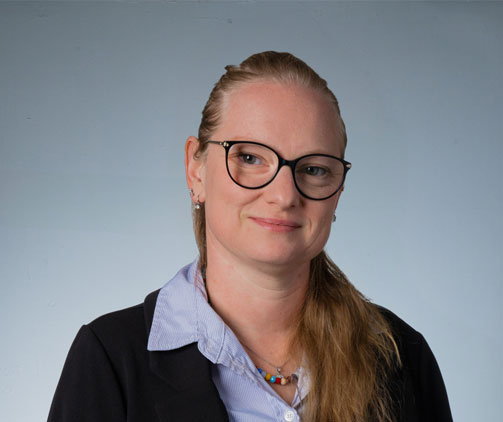
Revital Marbel received her B.Sc., M.Sc., and Ph.D. degrees in Computer Science from Ariel University.
Today, Revital Marbel is a faculty member at Holon Institute of Technology (HIT).
Her main research includes the use of NLP Generative Adversarial Network (GAN) and graph neural network (GNN) models for cybersecurity issues like SMS frauds and API and cloud security.
Lecturer / Researcher – Holon Institute of Technology (HIT), Holon, Israel
Conference Sponsors
Contact Us
Do you have any questions? Want to talk to us?
You can leave a message and we will reply as soon as possible