The International Symposium on Brain Function and Cognition (ISBFC) aims to provide an opportunity for discussing the structure and function of the human brain. Its goal is to delve deeper into understanding how these factors interact with cognitive abilities, physiologic deficits and motor skills.

SAVE THE DATE
ISBFC 2026
International Symposium on Brain Function and Cognition
6-7 October 2026
Neural Codes of Language and Action
Holon, Israel
Holon, Israel
Organizers
About ISBFC
Organizing Committee
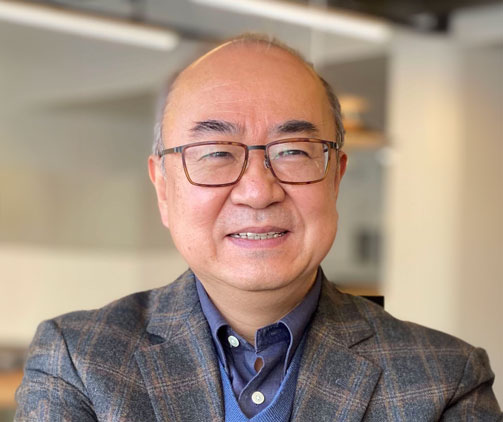
Hiromu SAKAI
Waseda University


Hiromu SAKAI
Professor Hiromu Sakai awarded Ph.D. in Social Science from University of California, Irvine. Since then, he worked as a professor in Hiroshima University and Waseda University. His current research focuses on neural representation and processing of language, inference, and thought using neuroimaging technologies such as MEG, ECoG, fMRI and machine learning data processing algorithm.
Professor –Department of Life Science and Medical Bioscience, Graduate School of Advanced Science and Engineering, Waseda University, Tokyo, Japan
Director –Center for English Language Education for Science and Engineering (CELESE), Faculty of Science and Engineering, Waseda University, Tokyo, Japan
Researcher (Joint Appointment) –Waseda Institute for Science and Engineering, Waseda University, Tokyo, Japan
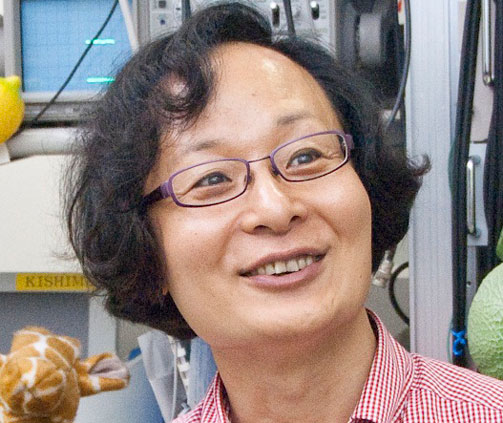
Manabu TANIFUJI
Waseda University
Manabu TANIFUJI
Dr. Manabu Tanifuji has worked on neural mechanisms of object recognition from 1997 till 2020. He is also the inventor of fOCT (functional optical coherence tomography), the optical technique to visualize 3D functional structure. He moved to Waseda University in 2020 and has started to investigate language processing in the brain with MEG (magnetoencephalography).
Adjunct Professor – Faculty of Science and Engineering, Waseda University, Tokyo, Japan
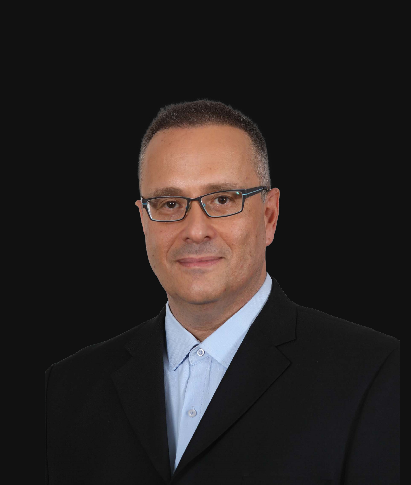
Refael BARKAN
Holon Institute of Technology
Refael BARKAN
Dr. Barkan holds M.D., Ph.D. in Brain Science, B.Sc. and M.Sc. in Computer Science. Founded the first academic faculty in Digital Medical Technologies in Israel.
Co-founded FUTURE@HIT – Center for Innovation and Entrepreneurship, one of the 10 national centers of its kind, supported by the Israeli government.
Graduate of the “Leadership in Academia” program – senior leadership development network in higher education and the “8400 HealthTech Leadership” program.
V.P. for Innovation, Entrepreneurship, and Internationalization / Transforming Healthcare Technology / Entrepreneur / Leading Innovation in Higher Education – Holon Institute of Technology (HIT), Holon, Israel
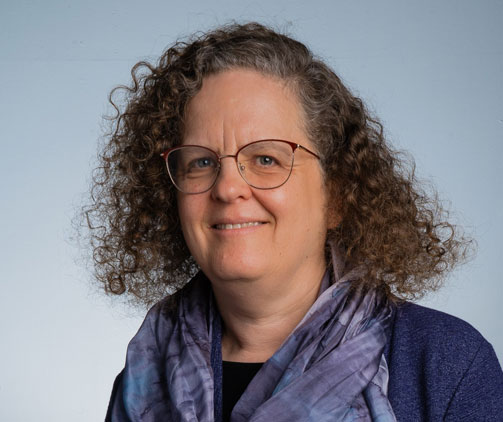
Michal BALBERG
Holon Institute of Technology
Michal BALBERG
Dr. Balberg’s research focuses on optical, non-invasive and localized functional imaging and monitoring of the brain. She holds a B.Sc. in physics and a Ph.D. in neural computation, both from The Hebrew University of Jerusalem and was a Beckman Fellow at the University of Illinois at Urbana-Champaign.
Senior Lecturer – Faculty of Electrical and Electronics Engineering, Holon Institute of Technology, Holon, Israel
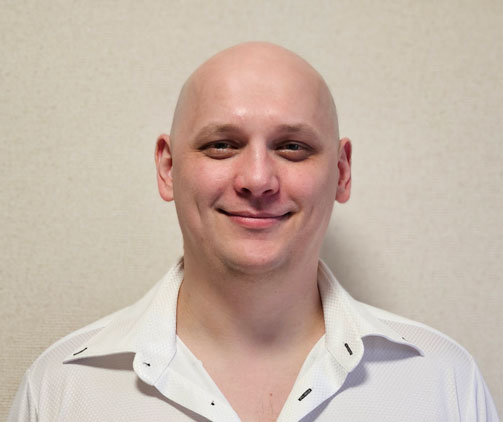
Dmitry PATASHOV
Waseda University
Dmitry PATASHOV
Dr. Dmitry Patashov holds Ph.D. in Systems and Information Engineering from University of Tsukuba, Japan. He specializes in Information Engineering. His main interests are Methods for Processing and Analysis of Neuroimaging Data.
Assistant Professor / Researcher – Waseda Institute for Science and Engineering, Waseda University, Tokyo, Japan
Visiting Researcher – RIKEN Center for Brain Science, Riken Institute, Saitama Japan
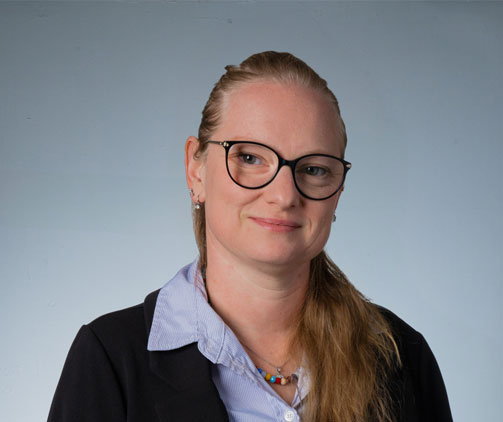
Ira IVSHIN-GUETTA
Holon Institute of Technology
Ira IVSHIN-GUETTA
Ms. Ira Ivshin Guetta holds her B.A. degree in social science and M.A. degree in business management.
Responsible of the International Partnerships and Programs at the International Office. Within the responsibilities, she conducts the International Agreements with strategic academic partners, among which Erasmus+. She also represents HIT in international conferences, organizes such in HIT, invites staff and students to participate in workshops and conferences overseas and straightening the collaboration between the academic partners.
International Partnerships and Programs Manager – Holon Institute of Technology (HIT), Holon, Israel

Dmitry GOLDSTEIN
HIT
Dmitry GOLDSTEIN
Yakir MENAHEM
HIT
Yakir MENAHEM
Scientific Committee
Hiromu SAKAI
Waseda University
Hiromu SAKAI
Professor Hiromu Sakai awarded Ph.D. in Social Science from University of California, Irvine. Since then, he worked as a professor in Hiroshima University and Waseda University. His current research focuses on neural representation and processing of language, inference, and thought using neuroimaging technologies such as MEG, ECoG, fMRI and machine learning data processing algorithm.
His representative works are:
Zhao, Z. A., Sakai, H., & Luo, Y. (2025). “Simpler is better”: Japanese children’s learning of case-markers in transitive sentences. Language Learning and Development, 1–23.
doi.org/10.1080/15475441.2025.2462017
Nakamura, M., Momma, S., Sakai, H., & Phillips, C. (2024). Task and Timing Effects in Argument Role Sensitivity: Evidence From Production, EEG, and Computational Modeling, Cognitive Science 12, e70023.
doi.org/10.1111/cogs.70023
Tanaka, K., Tsukahara, A., Miyanaga, H., Tsunematsu, S., Kato, T., Matsubara, Y., & Sakai, H. (2024). Superconducting Self-Shielded and Zero-Boil-Off Magnetoencephalogram Systems: A Dry Phantom Evaluation, Sensors 24(18), 6044.
doi.org/10.3390/s24186044
Lai, Y.-Y., Sakai, H., & Makuuchi, M. (2023). Neural underpinnings of processing combinatorial unstated meaning and the influence of individual cognitive style, Cerebral Cortex 33(18), 10013-10027.
doi.org/10.1093/cercor/bhad261
Ito, A., & Sakai, H. (2021). Everyday language exposure shapes prediction of specific words in listening comprehension: A visual world eye-tracking study, Frontiers in Psychology 12, 607474.
doi.org/10.3389/fpsyg.2021.607474
Professor – Department of Life Science and Medical Bioscience, Graduate School of Advanced Science and Engineering, Waseda University, Tokyo, Japan
Director – Center for English Language Education for Science and Engineering (CELESE), Faculty of Science and Engineering, Waseda University, Tokyo, Japan
Researcher (Joint Appointment) – Waseda Institute for Science and Engineering, Waseda University, Tokyo, Japan
Manabu TANIFUJI
Waseda University
Manabu TANIFUJI
Dr. Manabu Tanifuji has worked on neural mechanisms of object recognition from 1997 till 2020. He is also the inventor of fOCT (functional optical coherence tomography), the optical technique to visualize 3D functional structure. He moved to Waseda University in 2020 and has started to investigate language processing in the brain with MEG (magnetoencephalography).
Adjunct Professor – Faculty of Science and Engineering, Waseda University, Tokyo, Japan
Erez SIMONY
HIT
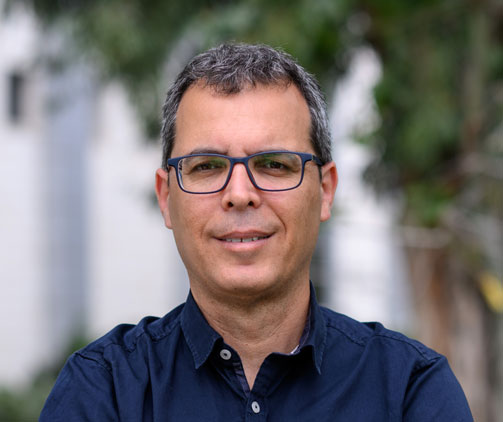
Erez SIMONY
Prof. Erez Simony is an Associate Professor of Brain Sciences in the Faculty of Electrical Engineering at the Holon Institute of Technology (HIT) and a Scientific Advisor at the Weizmann Institute of Science.
His lab investigates the neurocognitive representations of the human brain during rich, naturalistic stimulation—such as movies and stories—using machine learning to analyze fMRI and ECoG recordings. The lab’s research aims to understand how these stimuli are transformed into short- and long-term memories in both healthy and impaired individuals, and how memory traces are represented at the level of local brain regions as well as through large-scale neural communication across brain networks.
Prof. Simony holds a Ph.D. in Neurobiology from the Weizmann Institute of Science, an M.Sc. in Electrical Engineering, and dual B.Sc. degrees in Physics and Electrical Engineering from the Technion. As a postdoctoral researcher at Princeton University, he specialized in large-scale brain network dynamics during naturalistic stimulation, employing neuroimaging and computational approaches.
Associate Professor – Faculty of Electrical Engineering, Holon Institute of Science (HIT), Israel.
Scientific Advisor – Department of Brain Sciences, Weizmann Institute of Science, Israel.
Anat MIRELMAN
Tel Aviv Sourasky Medical Center | Tel Aviv University
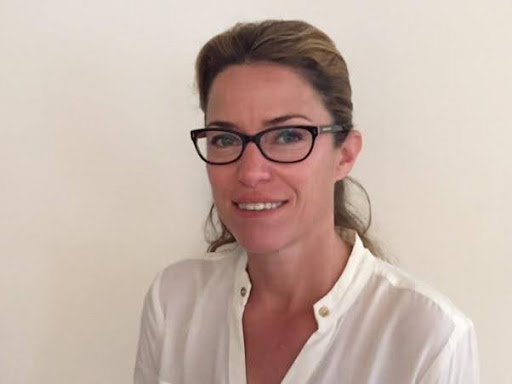
Anat MIRELMAN
Prof. Anat Mirelman, PhD is a full professor at the Faculty of Medicine and Health Sciences and Sagol School of Neuroscience at Tel Aviv University and is the director of the Laboratory for Early Markers of neurodegeneration (LEMON) at the Tel Aviv Medical Center (TLVMC). In her research she is privileged to address question on motor and cognitive function in ageing and disease and mechanisms of neurodegeneration. In the past 15 years, Prof. Mirelman has lead the ‘Genetics in Parkinson’s disease Project’ at TLVMC which aims to identify early markers that could indicate disease processes in patients with Parkinson’s disease (PD) and individuals at risk due to genetic mutations associated with PD. Prof. Mirelman’s specific interest is in quantitative, objective measures obtained from wearable sensors and digital technology, and their utility in identifying markers of disease and disease progression. To date, the cohort includes more than 3000 participants and is considered one of the largest genetic PD cohorts in the world. Prof Mirelman and her team have published over 150 papers on markers of neurodegeneration and disease progression. LEMON is home to software engineers, neurologists, computational analyst research assistants and several MSc and PhD students.
Director – Laboratory for Early Markers of Neurodegeneration (LEMON), Neurological Institute, Tel Aviv Sourasky Medical Center, Tel Aviv, Israel
Professor – Sagol School for Neuroscience and Faculty of Medicine and Health Sciences, Tel Aviv University, Tel Aviv, Israel
Abigail LIVNY EZER
Sheba Medical Center | Tel Aviv University | CoPilotMD
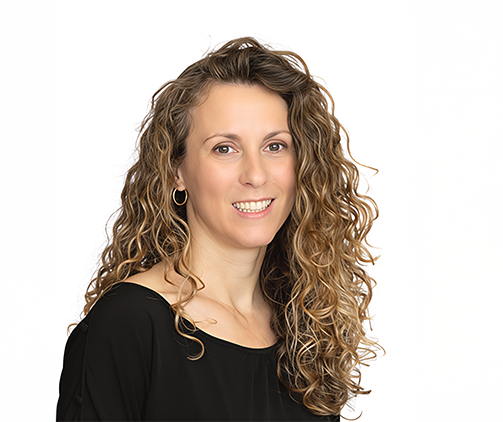
Abigail LIVNY EZER
Dr. Abigail Livny-Ezer, Director of the C.BIRD Center- Clinical Brain Imaging R&D Center, and an assistant professor at the Imaging Department and Sagol Neuroscience School, Tel Aviv University.
Dr. Abigail Livny-Ezer is a neuroscientist, expert in neuroimaging. Following her Master’s degree in clinical neuropsychology studies at the Hebrew University, Dr. Livny-Ezer specialized during her PhD studies in MRI brain imaging at the School of Medicine, Tel Aviv University. She is a member of the first cohort of esteemed TELEM program for “Excellency & Leadership in research” at the Sheba Medical Center.
Dr. Livny-Ezer leads multidisciplinary research that focuses on brain reorganization in various neuro-pathologies, aiming to uncover mechanisms underlying neuroplasticity and disease progression. Specifically, she focuses on how network disruptions both in structural and functional connectivity affect clinical and cognitive outcome. In addition, her neuroimaging center provides clinical services of brain-mapping for precision in several neurosurgical procedures. Recently, she founded 2 startup companies, both integrating advanced neuroimaging and AI: CoPilotMD, serves as a second set of eyes for the neuro-endovascular surgeon in real-time; and Inkognito, empowers diagnostics and treatment precision by fingerprinting brain disorders.
Director – C.BIRD-Clinical Brain Imaging R&D Center, Sheba Medical Center, Ramat Gan, Israel
Researcher – Faculty of Medical & Health Sciences, Tel Aviv University, Tel Aviv, Israel
Researcher – Sagol School of Neuroscience, Tel Aviv University, Tel Aviv, Israel
Co-Founder & CSO – CoPilotMD, Tel Aviv, Israel
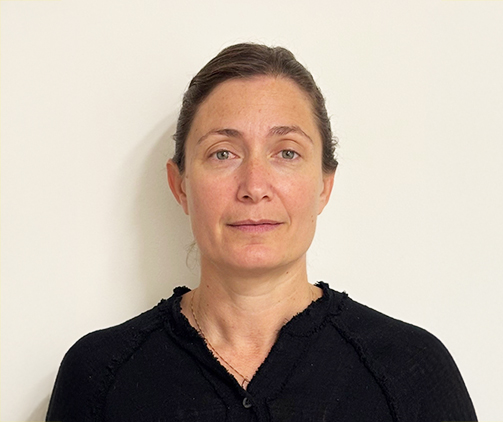
Inbal MAIDAN
Tel Aviv Sourasky Medical Center | Tel Aviv University
Inbal MAIDAN
Dr. Inbal Maidan is a distinguished neuroscientist specializing in the investigation of neural mechanisms underlying motor and cognitive functions in neurological disorders, with a primary focus on Parkinson’s disease and epilepsy. Her research aims to identify and quantify alterations in brain mechanisms as biomarkers for disease risk, progression, and treatment effects.
Employing a multi-modal approach, Dr. Maidan combines motor-cognitive assessments with advanced neuroimaging techniques (fMRI, fNIRS) and electrophysiology methods (EEG, TMS). She has extensive experience in measuring brain activation during rest, motor, and cognitive tasks, investigating their correlation to performance under various levels of difficulty, including dual-task conditions.
Dr. Maidan’s expertise extends to advanced EEG analyses, which she utilizes to reveal sensitive biomarkers for disease diagnosis, progression, and intervention efficacy. While her primary focus has been on Parkinson’s disease and aging, she has recently expanded her research to include epilepsy, addressing critical unmet needs in this field.
As Director of the Brain Electrophysiology & Epilepsy Lab at Tel Aviv Sourasky Medical Center, Dr. Maidan has made significant contributions to neurology and neuroscience. Her prolific research career is evidenced by 69 publications in high-impact areas over the past decade, solidifying her position as a leading expert in the field.
Director – Brain Electrophysiology & Epilepsy Lab, Neurology Institute, Tel Aviv Sourasky Medical Center, Israel
Senior Lecturer – Faculty of Medical & Health Sciences, Sagol School of Neuroscience, Tel Aviv University, Israel
Conference Sponsors
Contact Us
Do you have any questions? Want to talk to us?
You can leave a message and we will reply as soon as possible